
Promoting Your Self-Published Book
Getting it on Amazon is not enough

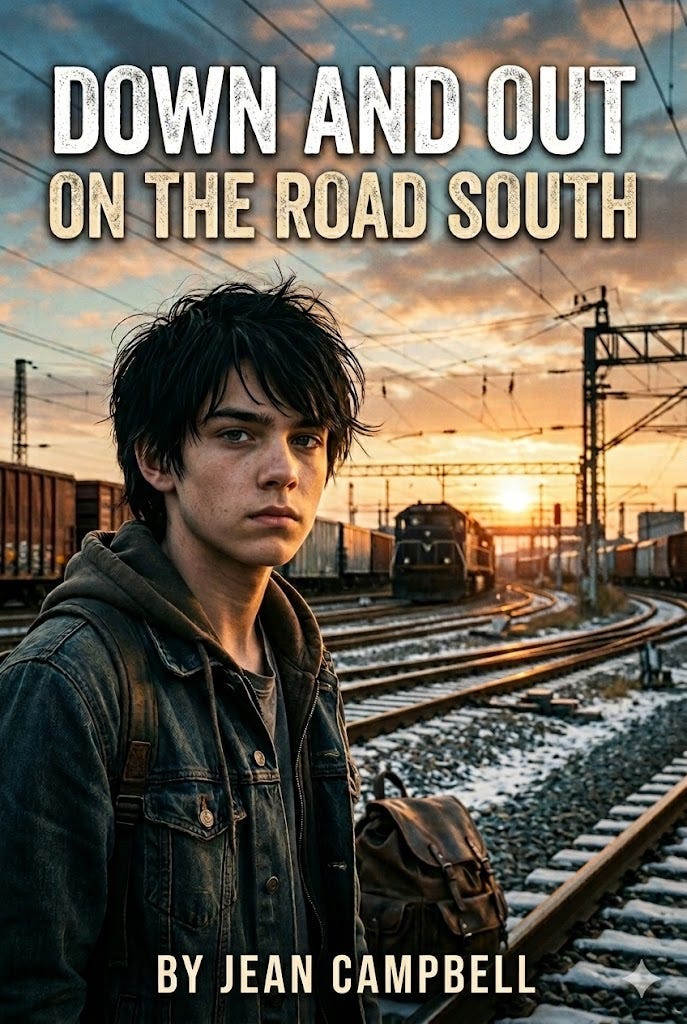
When a small online publishing house called eWings Press accepted my first book in 2023, I was thrilled.
Less than three years later, eWings was out of business.
This news didn’t come at a great time, as I was busy trying to get my second book, Same Flood Twice, published.
I decided to publish both, and purchased ten ISBNs—the unique numbers that identify your book, and are required for publishing—optimistically assuming I’d use the other 9 in the future.
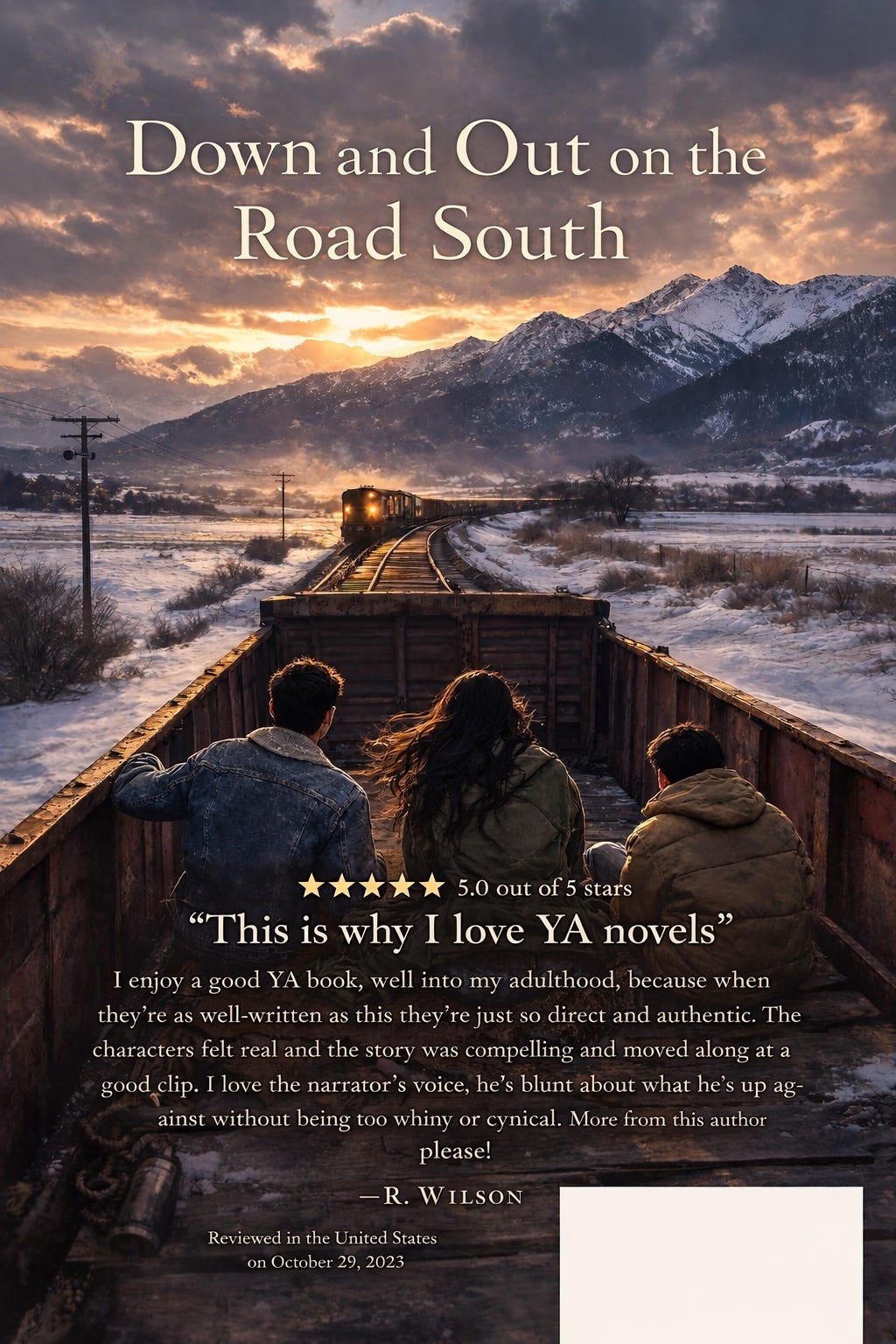
The ISBN appears as a bar code on the back cover of the book, which you’ll see below.
I also decided this was an opportunity to redo the cover art I had never liked.
I soon discovered that purchasing ISBNs was easy, but adding them to my book jacket wasn’t.
ChatGPT only got me 75% of the way there.
Self-Publishing = An Online Presence
My book was sitting on an Amazon web page, unavailable. I needed to self-publish, stat!
(Spoiler: I still haven’t.)
I’ve gotten hung up on the cover art stage. More recently, I’ve come to realize that getting it on Amazon with the world’s greatest cover art won’t be enough—by a long shot.
There are four more critical steps:
-Create an author website
-Write Medium and Substack articles
-Distribute Advance Reader Copies (ARCs)*
-Post a video on BookTok or Bookstagram
*ARCs aren’t possible in my case, as the book has already been published. But they are a necessary step for any self-publishing author.
Let me explain each strategy in a bit more depth.
Why Make an Author Website?
A dedicated website is worth the investment in time and money. Based on past experience creating websites, I would recommend hiring a professional, but free tools make it possible for anyone to create a basic website.
Author websites offer several advantages over rented spaces like Substack and Medium.
You can add pop-ups and other promotional gadgetry.
You can create a specific aesthetic to promote your brand.
Sell your book directly, often at a discount over Amazon.
If you want organic SEO traffic, it won’t come with rented spaces.
Your author webpage will not include ads from competitors.
You can add a blog, podcast, events page … or more to your menu.
You can build your own email and subscriber list; on Substack and Medium, access to those lists is dependent on the viability of your “landlord.”
Advance Reader Copies (ARCs)
An ARC is a free physical or digital copy of your final, proofread book. Your ARC needs to go out before publishing or promotion.
You can get away with an ARC that lacks cover art, but it’s better not to.
An ARC has the potential to create early traction via early reviews, which in turn signal to various bookseller algorithms that people are actually reading your book.
Review copies are a valid alternative to an ARC—if you have already published the book. A PDF or EPUB file can be forwarded to influencers and bloggers, requesting a written and/or video review, star rating, etc.
Whenever sharing a file of your book, it’s smart to use promotion tools like BookFunnel or StoryOrigin. These tools secure your files safe from someone looking to rip you off.
If you have an email list of readers (for example, through Medium or Substack), you can also offer a PDF to them, requesting a review.
But if you ever give away free copies for review, don’t forget to check if Amazon owns part of the book through Kindle Unlimited (KU).
Posting on BookTok or Bookstagram
BookTok is a corner of TikTok where you will find enthusiastic readers. To post, you’ll need a short video.
Online advice emphasizes that you should reference a Trope (“from sheltered to streetwise” or “growing up too fast”) to click with your audience. Take advantage of hashtags like “#WritersofTikTok” or “#YABooks”.
The internet is full of advice on how, exactly, to reach readers via TikTok.
For starters, watch as many TikTok book reviews in your genre as you can.
One tip I find particularly useful is to reach out to BookTok influencers. Influencers are always hungry for content, so if you have a book with cover art ready to go, they are likely to be interested.
Bookstagram follows a similar set of rules but appeals to a broader age demographic, skewing slightly older and interested in a broader range of genres.
The aesthetic for Bookstagram is more sophisticated, too, although reels now outperform still photos.
Want a more thoughtful discussion of your book, and a longer thread? Then Bookstagram is a better choice.
The internet reports that BookTok has a larger audience and will more likely lead to a “spike” in sales.
Final Self-Publishing Thoughts
It’s tempting to do all this at once.
As a new author, the financial and time investment can feel overwhelming. Starting up a Substack newsletter and a TikTok account, then shooting a video, while trying to figure out cover art, won’t happen quickly.
Consider writing down a marketing plan to figure out how and when to integrate the elements—author website, ARCs, TikTok/Instagram, and writing promotional articles.
Alternatively, you can self-publish by making your book available on Amazon, posting on FB, and emailing family members. This is the route I took—my publisher helped with editing and proofreading, created cover art, and posted the book on their website and on Amazon.
I highly recommend a more proactive approach, even if you have a publisher. My lack of experience, combined with fear of self-promotion, didn’t net many readers!
Thank you for reading Promoting Your Self-Published Book, and best of luck in your publishing journey.